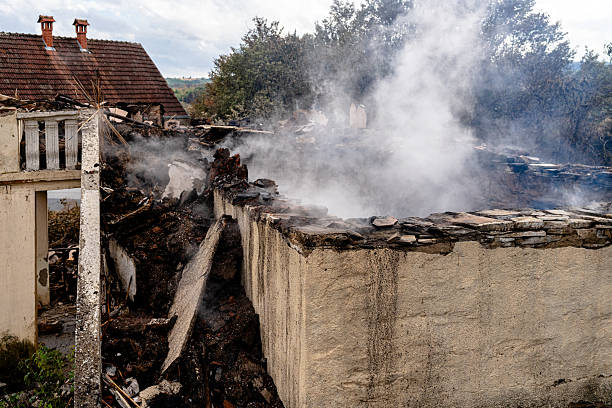
Even a small, contained fire can push smoke particles into closets and vents on the far side of the house well before anyone notices. Fire Damage Laser Cleaning's Smoke Damage Removal crews in Gibsonton, FL classify the smoke type first — dry smoke, wet smoke, or protein residue from a kitchen fire — because each one calls for a different removal method.
Wet smoke from a smoldering, low-oxygen fire leaves a sticky, smearing residue that spreads if wiped with the wrong cleaner, while dry smoke from a fast, hot fire leaves a powdery film that vacuums and dry sponges lift more easily. Getting that classification wrong at the start is the single most common reason DIY smoke cleanup makes a Gibsonton home smell worse instead of better.
Call +1-866-484-1409 Now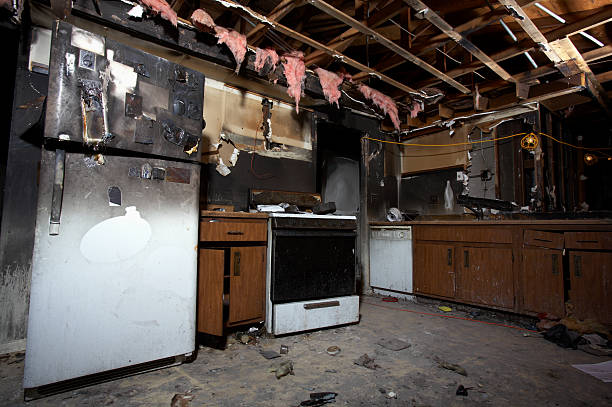
We identify wet, dry, or protein smoke on-site before choosing a cleaning method, rather than applying one generic process to every surface.
Smoke residue keeps etching into surfaces the longer it sits, so our Gibsonton crews prioritize same-day response on active jobs.
The quote we give you up front is the number on the final invoice, not a starting point for upcharges.
We inspect and, when needed, clean ductwork rather than treating rooms while leaving a contaminated HVAC system to keep recirculating smoke particles.
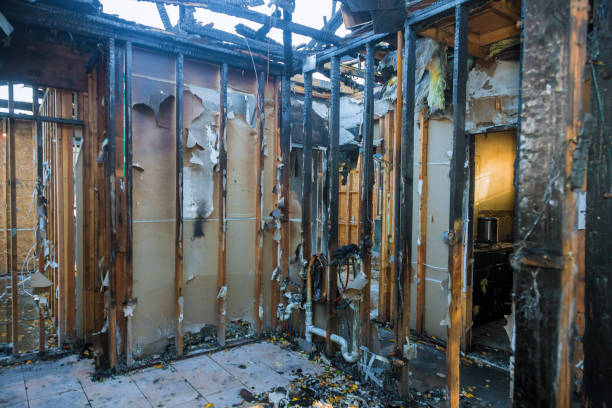
A surprising number of Gibsonton calls come in weeks after a fire, once a homeowner realizes the smell in one bedroom never actually went away despite cleaning every visible surface — that's almost always a sign the smoke traveled further than the visible damage suggested.
Because smoke particles are smaller than most HVAC filters can catch, rooms far from the original fire often still need Smoke Damage Removal treatment.
Understanding how air moved through the Gibsonton property during the fire helps us predict where residue settled, even in spaces that look untouched, which is part of why our Smoke Damage Removal results tend to hold up better over time than a room-by-room approach.
We use surface-matched solvent cleaning for wet smoke, since the wrong wipe-down technique just smears the residue further.
Dry, powdery residue from a fast-burning fire responds well to dry chemical sponges and HEPA vacuuming before any wet cleaning is attempted, which is the opposite of what a damp rag does.
Kitchen fires leave protein smoke that's hard to see but easy to smell, discoloring cabinet finishes and countertops over time — it needs an enzyme-based treatment, not standard degreaser.
Our team inspects supply and return lines for residue buildup and cleans or recommends replacement of contaminated filtration components after every other surface is already clean.
Upholstery, carpet, and curtains absorb smoke particles deeply and usually need specialized extraction rather than surface cleaning as part of the full Smoke Damage Removal scope.
We use a handheld VOC meter to confirm smoke particle levels have dropped to an acceptable range before calling the job complete, not just that the room looks and smells better in the moment.
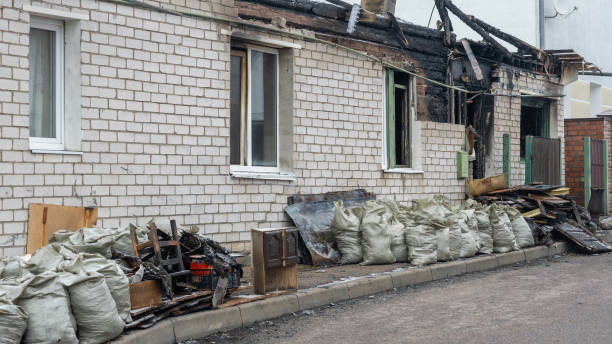
Our intake call at +1-866-484-1409 gathers early details on the fire so the crew arrives with the right equipment already loaded.
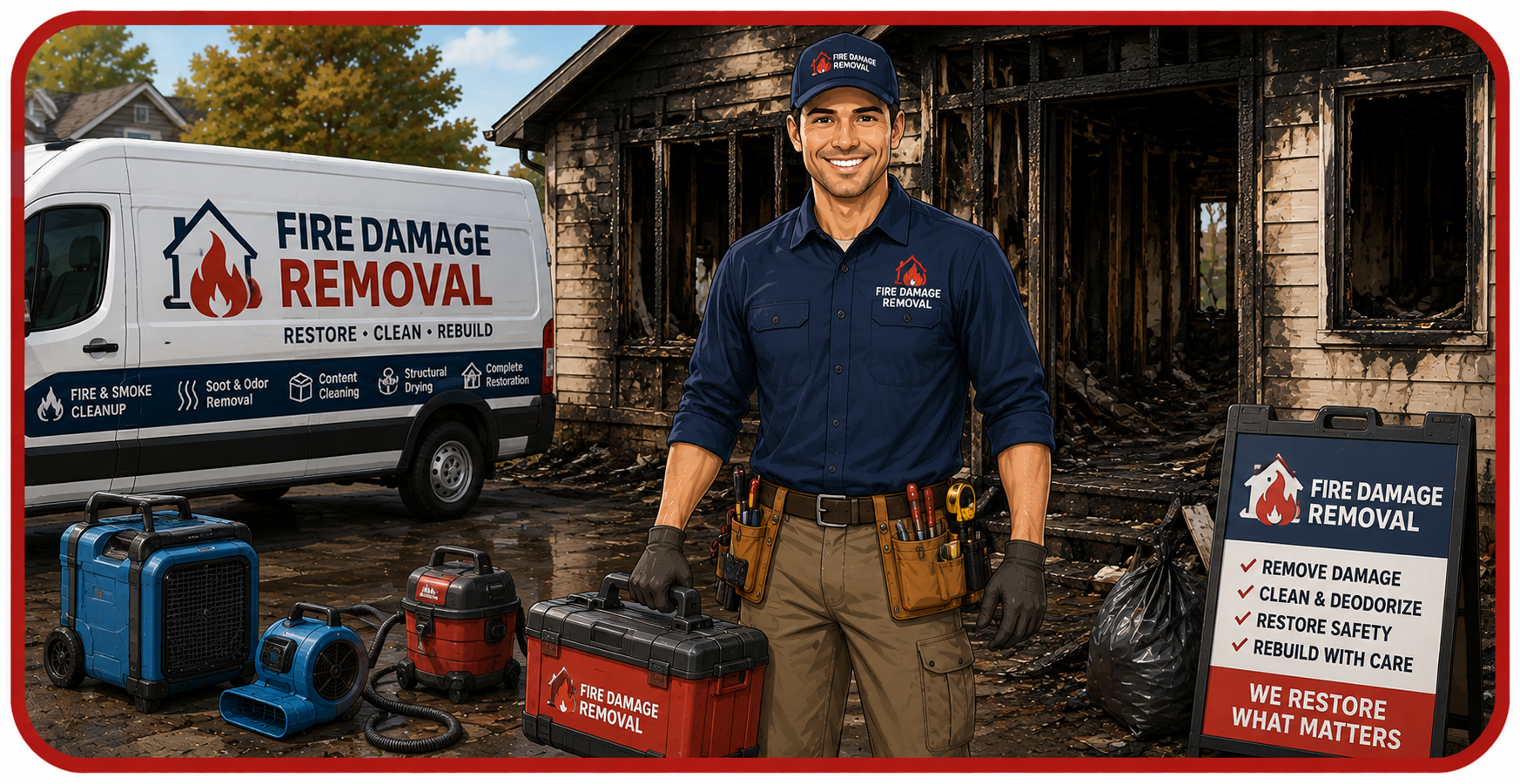
A Smoke Damage Removal response vehicle, stocked for wet, dry, and protein smoke scenarios, typically reaches Gibsonton addresses within the hour.
Assessment includes a physical residue test to confirm the smoke type before pricing out the Smoke Damage Removal scope.
The job wraps only after a follow-up check confirms the smoke residue is actually gone, not just masked.
"I tried wiping the soot myself and made it worse — their crew explained why and fixed it properly."
— Elena V., Gibsonton
"The smell was gone from every room, not just the one where the fire started."
— Tyrell B., Gibsonton
"They tested the air quality before and after so I actually had proof the job was done right."
— Grace L., Gibsonton
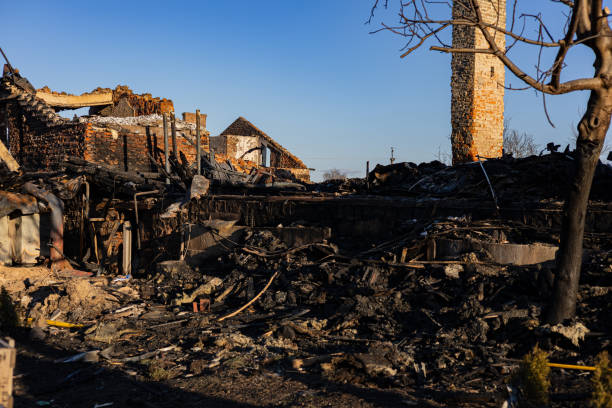
We run Smoke Damage Removal crews across Gibsonton and the broader Gibsonton, FL area, with wet, dry, and protein-residue equipment staged locally for same-day dispatch.
Our Gibsonton equipment cache includes verification meters for all three smoke classifications, so a mixed-source fire doesn't require waiting on specialized gear from out of the area.